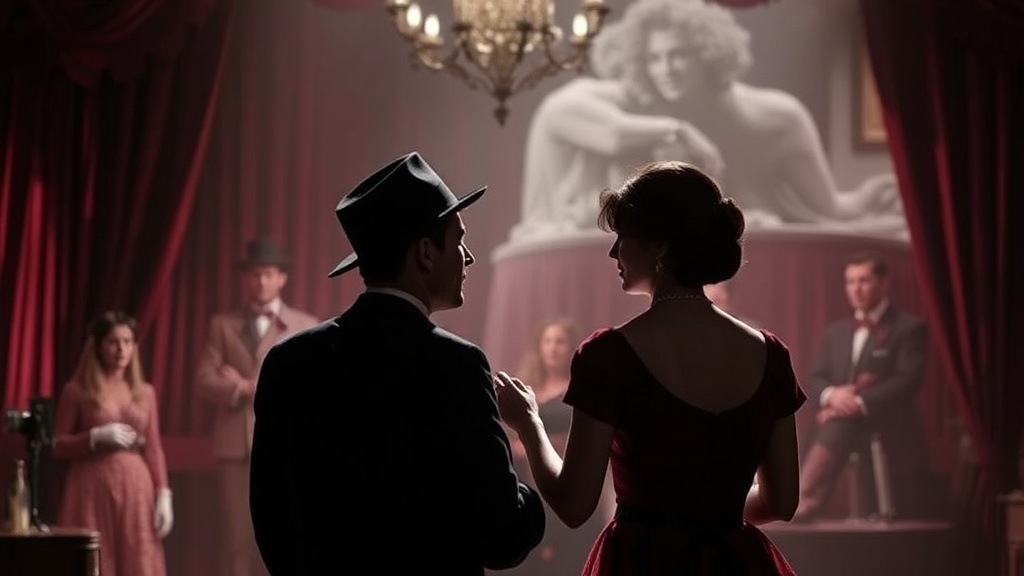
Forgotten Gems of the Silent Era You Can Watch Today
The Visual Poetry of Metropolis
Buster Keaton's Physical Comedy Brilliance
The Surrealist Dreams of Un Chien Andalou
Have you ever wondered why modern cinema sometimes feels like it's missing a certain soul? This post explores the overlooked masterpieces of the silent film era that remain surprisingly watchable today. We're looking at specific titles that defined visual storytelling before synchronized sound changed the industry forever.
The silent era isn't just a dusty archive of flickering black-and-white shadows. It was a period of radical experimentation with light, movement, and physical comedy. Many of these films hold up because they rely on pure visual language rather than heavy-handed dialogue.
Why is Silent Film Still Important for Modern Filmmakers?
Silent films are the foundation of visual storytelling because they force a director to communicate through action and composition rather than script. When you strip away the spoken word, you're left with the raw mechanics of shot pacing and physical performance. If you want to understand how to tell a story without a single line of dialogue, you have to look back at these masters.
Think about the way a modern director uses a close-up to convey dread. That technique wasn't invented in a vacuum; it was perfected during the 1920s. Even the most advanced digital cameras today are still trying to capture the same emotional weight that these early pioneers achieved with hand-cranked cameras and natural light.
If you're interested in the technical side of how these visuals were constructed, you might want to check out our deep dive into color theory for modern filmmakers to see how visual language has evolved. It's all connected.
The Master of Visual Comedy: Buster Keaton
Buster Keaton wasn't just a funny man; he was a structural genius. His films, like Sherlock Jr. or The General, use incredible practical stunts that make modern CGI look a bit lazy. He didn't use a green screen. He used gravity, physics, and a terrifying amount of courage.
Watching Keaton is a masterclass in geometry. Every movement is calculated. You can see how his sense of timing influenced the way modern action sequences are edited. It's actually quite a shock to see how much "physicality" is missing from today's big-budget spectacles.
The Expressionist Nightmare: Nosferatu (1922)">
If you want to see the birth of cinematic horror, look no further than F.W. Murnau's Nosferatu. This film used shadows to create a sense of dread that a modern jump scare simply can't replicate. The way the vampire's shadow stretches across the wall is iconic for a reason.
It's a testament to the power of German Expressionism. The distorted sets and high-contrast lighting create a dreamlike—or rather, a nightmare-like—atmosphere. It’s the kind of atmosphere that modern filmmakers often try to mimic with digital filters, but the original is much more visceral.
Where Can You Watch Classic Silent Films Online?
You can find most of these gems on specialized streaming platforms like The Internet Archive or through the Criterion Collection. These sources provide high-quality restorations that make the films much easier to digest for a modern audience.
Don't just settle for a grainy YouTube upload if you can help it. A proper restoration can make a massive difference in how you perceive the depth of the frame. It’s the difference between watching a blurry mess and seeing the intricate textures of a 100-year-old set.
| Film Title | Primary Genre | Key Visual Element |
|---|---|---|
| Metropolis (1927) | Sci-Fi | Architectural Scale |
| The General (1926) | Action/Comedy | Physical Stunts |
| Sunrise: A Song of Two Worlds (1927) | Romance/Drama | Atmospheric Lighting |
| Nosferatu (1922) | Horror | Shadow Play |
The Visual Grandeur of Metropolis
Fritz Lang's Metropolis is a behemoth. It's a massive, sprawling vision of a futuristic city that still looks impressive even by today's standards. The scale of the production was unprecedented for the time.
The film uses architecture to tell a story of class struggle. The contrast between the high-society heights and the industrial depths is striking. It’s a perfect example of how a setting can act as a character itself. If you've ever wondered why modern sci-fi worlds feel a bit "flat," it's often because they lack this level of integrated environmental storytelling.
The Emotional Depth of Sunrise
Sunrise: A Song of Two Two Worlds is often cited as one of the most beautiful films ever made. It’s a heavy hitter for anyone interested in how lighting can dictate the mood of a scene. The way the light hits the morning mist is pure poetry.
It's a romantic drama, but it's far from a simple one. The visual transitions between the city and the countryside are seamless. It shows a level of sophistication in editing that was way ahead of its time. It’s actually quite a relief to watch something that doesn't rely on a constant stream of dialogue to keep your attention.
How Do I Watch These Without Getting Bored?
The best way to watch silent films is to treat them like visual music rather than a standard movie. Don't look for the dialogue; look for the rhythm of the editing and the movement of the actors. Most of these films are actually quite fast-paced once you get into the flow.
It helps to watch them with a good soundscape. While the original films didn't have dialogue, modern restorations often include highly curated orchestral scores. This helps bridge the gap for a modern brain that's used to constant audio input. It makes the experience much more immersive.
That said, don't feel like you have to sit through a three-hour epic right away. Start with a short Buster Keaton clip or a high-intensity scene from a horror classic. Once you understand the "language" of the era, the longer films become much more rewarding.
The leap from silent film to "talkies" was a massive shift in the industry. It changed everything from how actors were cast to how scripts were written. But even with sound, the core principles of the silent era—the way a camera moves, the way a shadow falls, the way a character reacts—remain the heartbeat of cinema.
If you find yourself struggling with the pacing of modern blockbusters, go back to the beginning. You might find that the "old" way of doing things actually has a lot to teach us about the art of the frame.