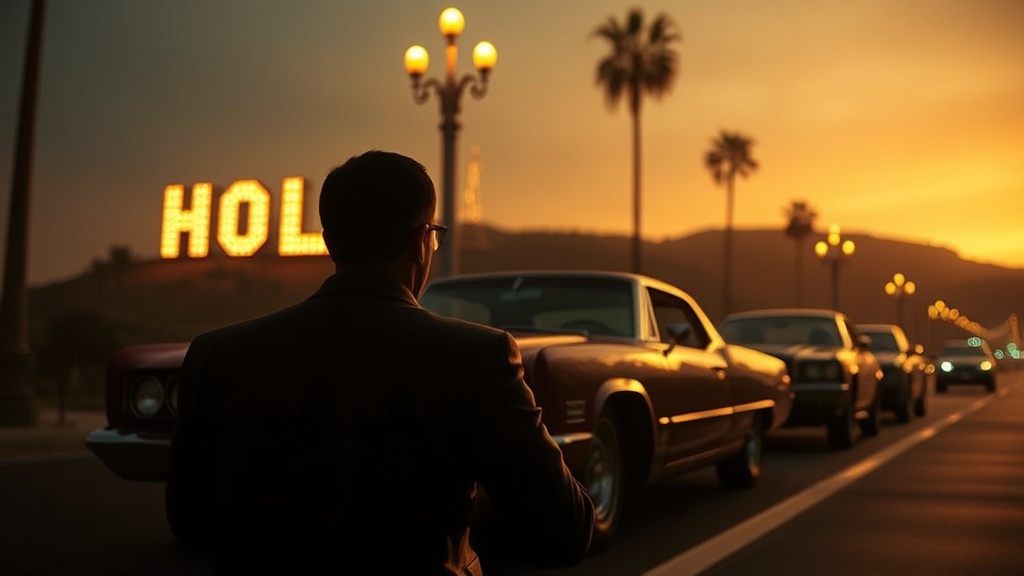
The Hidden Cost of the Hollywood Golden Age Aesthetic

In the 1940s, a single high-end studio production could consume more than 20% of a studio's annual budget just to maintain the illusion of perfection. This obsession with a polished, high-gloss aesthetic—often referred to as the "Golden Age" look—is still being chased by modern filmmakers, but it comes with a heavy price tag. This post examines how the pursuit of vintage-style perfection often sacrifices organic storytelling and creates massive financial and technical debt in modern production.
We see it everywhere: the heavy grain, the soft focus, and the dramatic lighting that feels like it belongs in a 1940s noir film. It looks expensive. It looks "prestige." But there is a disconnect between the aesthetic and the actual cost of achieving it in a digital-first era.
Why is the "Golden Age" Look So Expensive Today?
Achieving a vintage aesthetic today requires a massive amount of post-production work to mimic what was once a byproduct of physical film limitations. In the past, the look was a result of the medium itself—the chemical properties of celluloid and the physical behavior of light on a sensor. Today, we have to use software to "break" a perfect digital image to make it look imperfectly beautiful.
Digital sensors are too clean. They are too sharp. To get that warm, organic glow of a 35mm or 70mm film stock, colorists have to spend hundreds of hours applying digital grain, light leaks, and color grading presets. It’s an expensive layer of artificiality. You aren't just paying for the shot; you're paying for the digital reconstruction of a lost reality.
Think about the difference between a raw digital file and a finished filmic look. A professional colorist using tools like the DaVinci Resolve color grading system can spend weeks tweaking the "texture" of a single scene. That’s more man-hours, more expensive software licenses, and more time in the edit suite. It’s a cycle of trying to make something expensive look "authentic."
The cost isn't just in the software, though. It’s in the talent. It takes a specialized eye to ensure that digital grain doesn't just look like "noise" (the kind of grain that makes an image look cheap and low-quality), but rather like "texture" (the kind that feels cinematic). If you get it wrong, the whole production looks amateurish rather than intentional.
The Technical Trade-offs: Digital vs. Film
To understand the cost, we have to look at what we've traded. Digital is efficient, but it lacks the "soul" that the Golden Age aesthetic demands. Here is how the two mediums differ in a modern production environment:
| Feature | Digital Cinema (Modern Standard) | Golden Age Aesthetic (Simulated) |
|---|---|---|
| Color Depth | Extremely high, mathematically precise. | Warm, organic, often "imperfect" palettes. |
| Texture | Clean, sharp, and clinical. | Artificial grain, halation, and softness. |
| Production Speed | Fast; immediate playback. | Slow; requires extensive post-production. |
| The "Vibe" | Realism and clarity. | Nostalgia and romanticized imperfection. |
When a director demands a "film look," they are essentially asking the production to spend more money to fight the very technology they are using. It’s a paradox. We use the most advanced computers on the planet to try and replicate the imperfections of a 1940s camera lens.
Does a "Cinematic" Look Affect Storytelling?
The pursuit of a perfect aesthetic can often distract the audience from the actual narrative or even stifle the raw emotion of a performance. When a scene is too beautiful, the viewer stops looking at the character's eyes and starts looking at the lighting. The aesthetic becomes the star, and the human element becomes a secondary thought.
This is a common trap in modern "prestige" television. Shows often spend so much time on the visual "mood" that the dialogue feels secondary. The lighting is moody, the color grade is breathtaking, but the characters feel like they are standing in a museum rather than living a life. It feels sterile. (And let's be honest, a lot of the time, it's just a way to hide a lack of character depth with a pretty filter.)
I've noticed this in high-budget streaming content. The visual fidelity is staggering—sometimes even more so than High Dynamic Range (HDR) standards would suggest—but the emotional connection is often thin. The "Golden Age" look is a mask. It provides a sense of gravity and history, but it can also act as a barrier between the actor and the audience. If the lighting is too perfect, the actor's sweat, tears, and genuine vulnerability can feel "too clean" to be real.
A great example of this tension is seen when a film uses "perfect" digital shots to depict "gritty" realities. The dissonance can be jarring. If you're watching a war movie that looks like a high-end perfume commercial, the stakes feel lower. The brain recognizes the artifice. It tells you, "This is a beautiful lie."
How Much Does the "Look" Actually Cost the Industry?
The cost manifests in three specific areas: post-production time, specialized equipment, and the loss of creative spontaneity. It’s not just a line item on a budget; it’s a fundamental shift in how movies are made and consumed.
- Post-Production Bloat: Adding digital grain, light leaks, and vintage lens flares requires more passes in the editing room. This adds weeks to the schedule.
- Equipment Mimicry: Directors often buy expensive vintage lenses (like old Cooke or Panavision glass) to get a "natural" look, only to then use digital filters to enhance that look. It's double-dipping on the budget.
- The "Perfect Shot" Trap: When a production is obsessed with a specific aesthetic, they often spend more time getting the "perfect" lighting setup, which can lead to fatigue for the cast and crew.
This obsession with the "look" can also lead to a lack of innovation. If everyone is chasing the same 1950s Technicolor or 1940s Noir aesthetic, we stop seeing new visual languages. We become stuck in a loop of nostalgia. We aren't creating new styles; we are just high-resolution copies of old ones.
It's also worth noting that this aesthetic pursuit often clashes with the reality of modern viewing. We see these massive, expensive-looking productions on small smartphone screens or standard laptop displays. The "prestige" look often gets lost in translation. If the visual complexity is too high, it can actually look worse on a mid-range screen than a simpler, more direct visual style would.
I’ve often thought about how much more interesting a film would be if it embraced the digital medium's strengths rather than fighting them. Why try to make a $200 million digital epic look like it was shot on a hand-cranked camera? The technology we have now allows for things the Golden Age could only dream of. Instead, we use it to look backward.
There's a certain irony in the fact that as our ability to capture reality grows, our desire to manipulate it grows even faster. We are moving further away from "truth" in cinema and closer to a highly curated, highly expensive-looking version of a truth that never actually existed. It's a beautiful, expensive, and highly effective distraction.